Build With Us
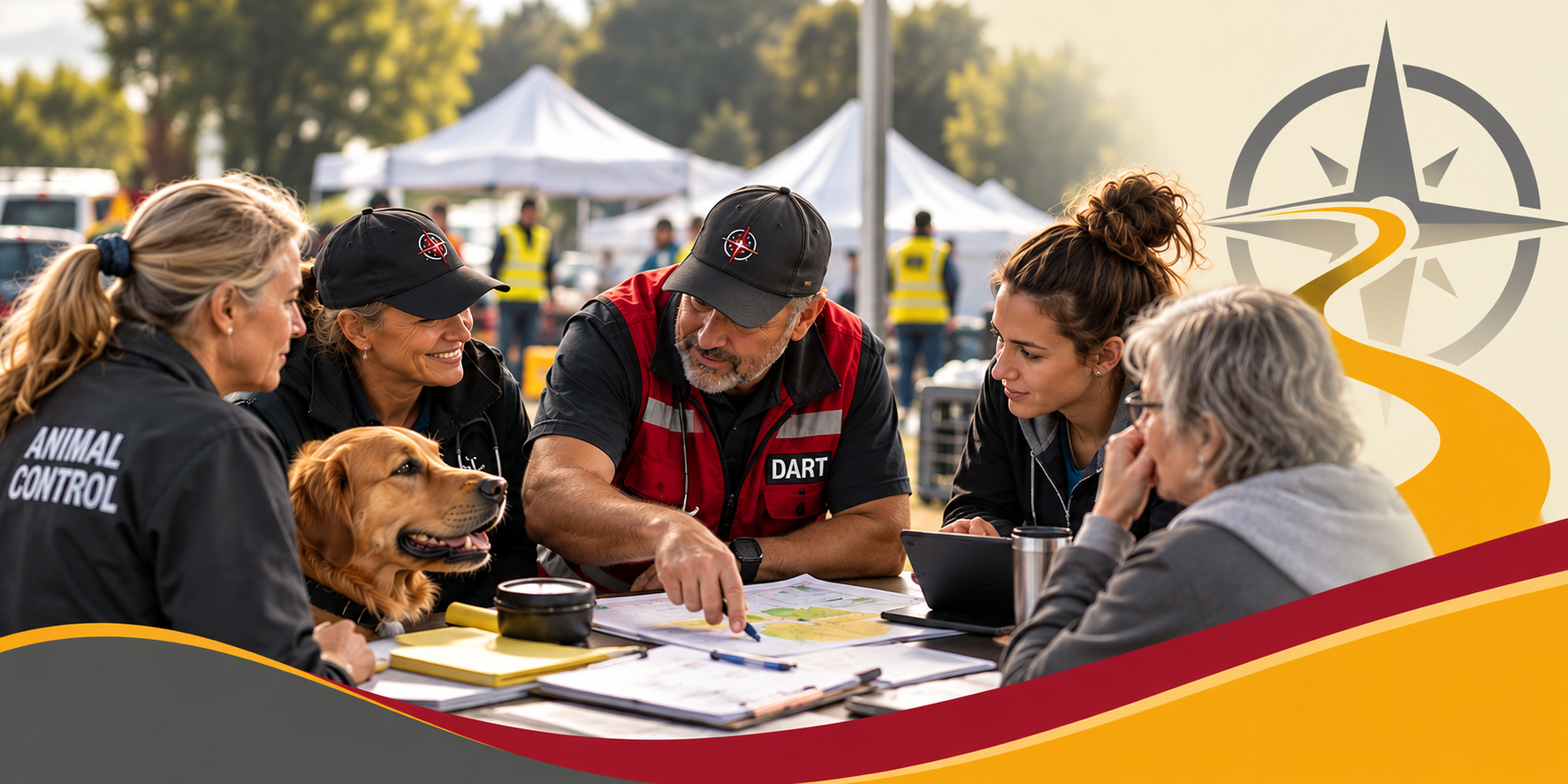
Better preparedness starts by listening.
The people responding to disasters, caring for animals, supporting Guardians, and serving their communities bring experience and perspectives that are essential to understanding the challenges.
That’s why DARTCC doesn’t build in a vacuum.
We bring together animal response teams, Animal Control Officers, emergency managers, veterinary professionals, animal welfare organizations, Guardians, volunteers, community organizations, and others to listen, learn, and better understand what’s needed before, during, and after disasters.
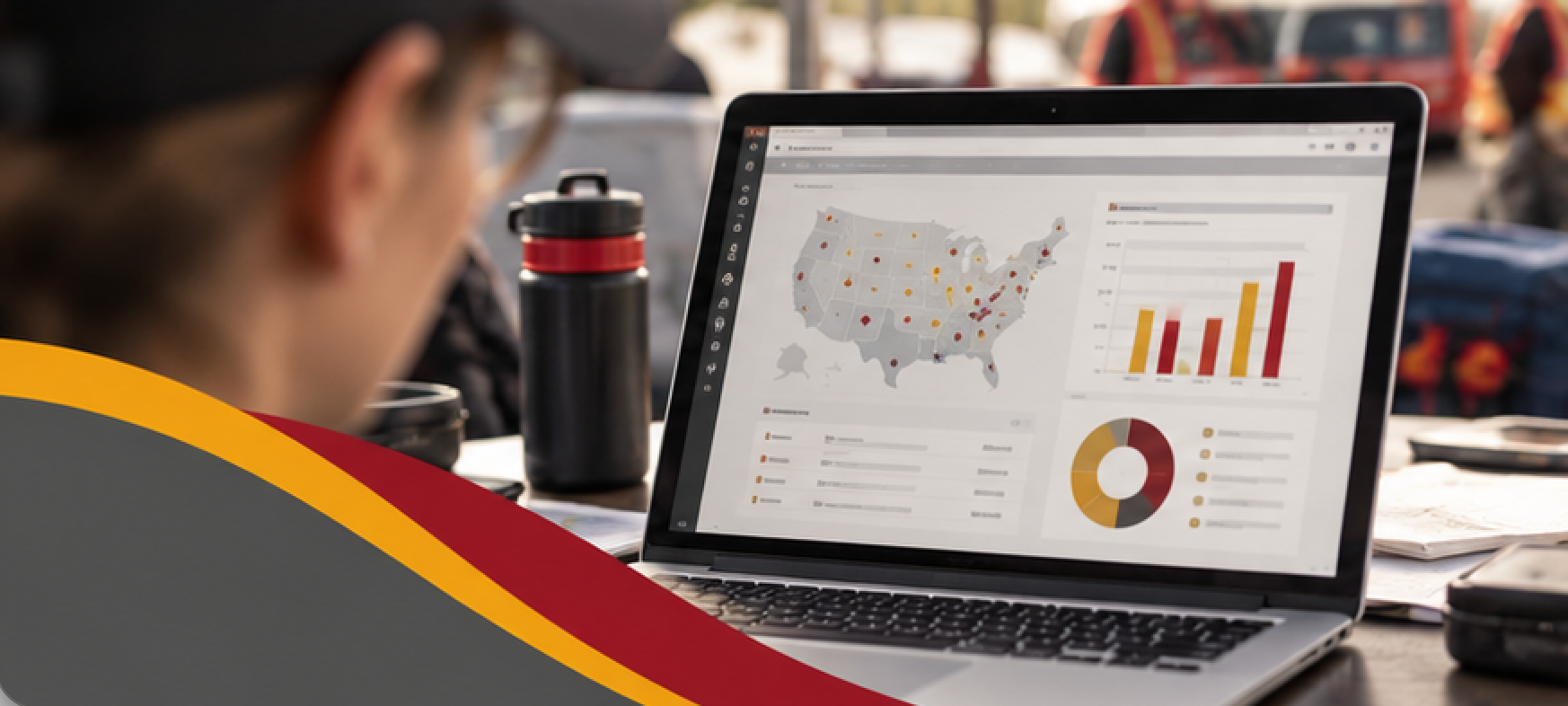
Experience tells part of the story. Data tells another.
What happens during a response matters long after the emergency is over.
The experiences people share, together with useful, responsible data, can help identify gaps, reveal patterns, improve coordination, and help communities make better decisions.
We’re interested in the questions behind the data: What’s working? Where are communities struggling? What information is difficult to find or share? What could make the next response easier?
Those are the conversations that help shape our work.
From one community to another.
A lesson learned in Vermont may help a team in Kansas. An Animal Control Officer may see a challenge that a technologist hasn’t considered. A Guardian may identify a barrier that responders didn’t know existed.
DARTCC creates opportunities for those perspectives to come together.
Through conversations, User Group meetings, Office Hours, working groups, shared resources, and the Readiness Library, we can learn from one another rather than asking every community to solve the same problems on its own.
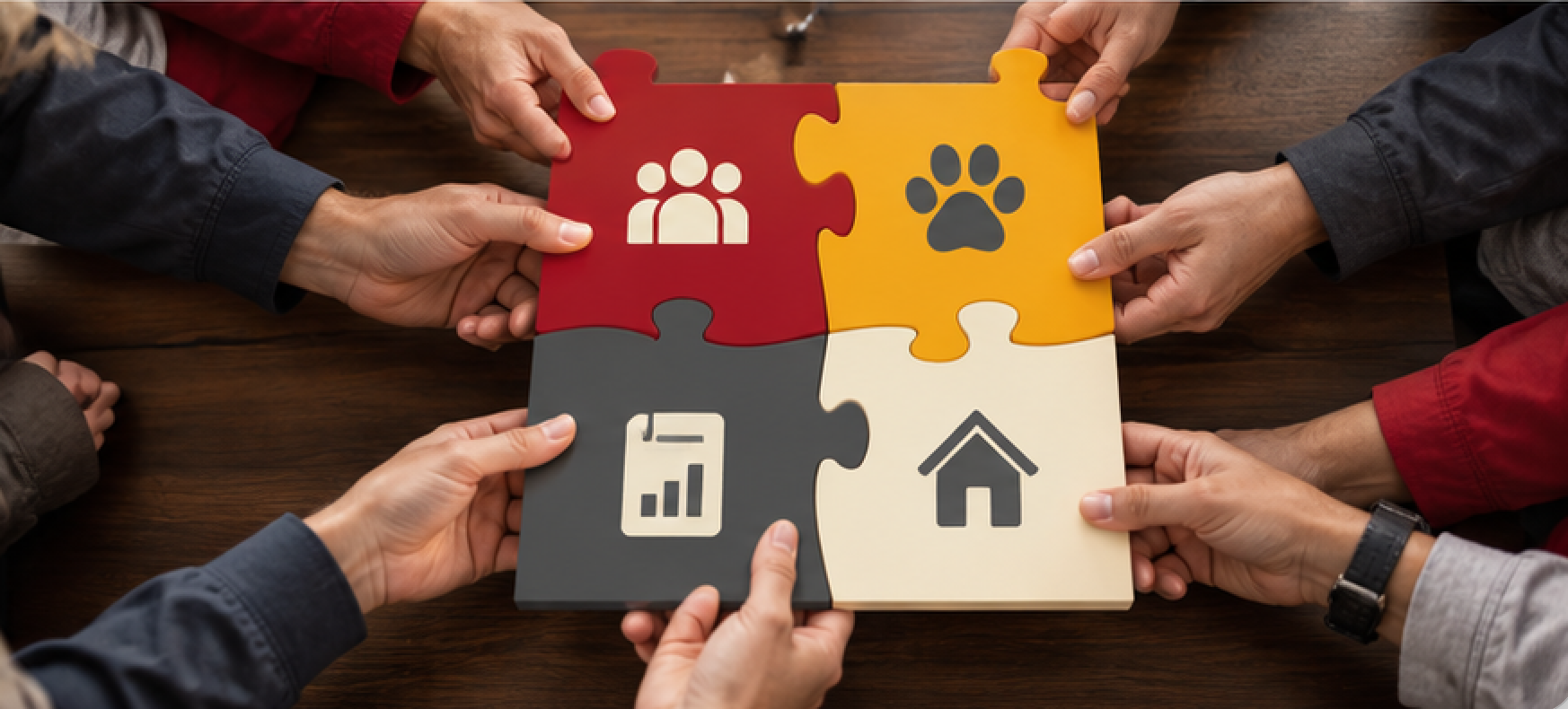
We listen. We learn. We share. We prepare together.
You don’t need to have a solution to join the conversation.
Bring us a challenge. Share something you’ve learned. Ask a question. Tell us what’s getting in the way.
That’s how better solutions begin.